

Regarding renovating your home’s interior and outside, not many experts are as important as experienced plasterers. They possess the knowledge required to craft not just surfaces and roofs but also impressive decorative elements that enhance the overall aesthetics of your space. If you are undergoing residential renovations, performing repairs, or taking on a large-scale commercial project, finding a reliable plasterer can make all the change in getting a perfect outcome.
In this article, we will examine the necessary tools that all plasterer needs to carry out their work effectively. From trowels and hawks to mixers and level boards, knowing the equipment involved will help you appreciate the skill behind plastering. Additionally, we will provide insights on selecting the right plasterers for your needs, the benefits they bring to your projects, and what to look forward to in terms of cost and schedules. Whether you need expert help for damp restoration, skim coating, or decorative plastering, this guide will equip you with the knowledge to make sound decisions.
Selecting the Appropriate Plastering Professional
Finding the right plasterer for your project is essential to achieving a professional finish. Start by researching local experts and verifying their credentials and expertise. Look for plasterers who can provide a showcase of past work that illustrates their capabilities. Recommendations from family, associates, or online feedback can also guide you in finding reliable plasterers tailored to your unique needs.
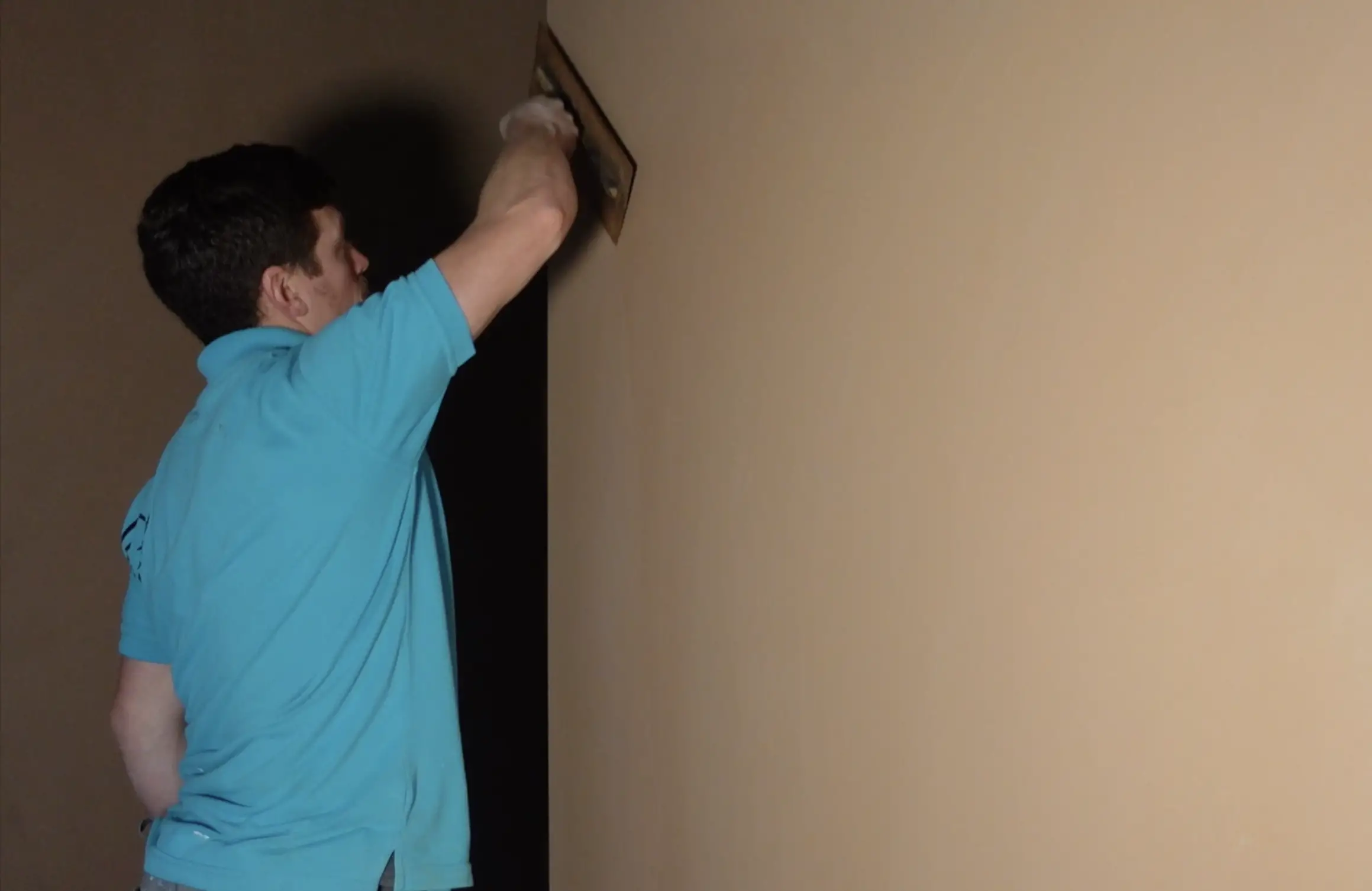
Once you compile a list of prospective candidates, it is wise to set up consultations or talks. This will give you the possibility to speak about your project in full and evaluate their comprehension of the work involved. Ask about their expertise with different plastering methods, whether they concentrate in domestic improvements or commercial projects, and how they tackle challenges like damp or water destruction restoration.
Cost is a major factor when hiring a plasterer. Ask for quotes from several experts to assess costs effectively. Ensure that these quotes cover all elements of the job, including supplies and any additional services you might need. While it’s vital to remain within financial limits, be mindful that the least expensive option might not always guarantee the greatest quality work, so consider weighing cost with the plasterer's skill and credibility.
Benefits of Professional Plastering
Skilled plastering offers various advantages that significantly enhance the condition and durability of your wall surfaces and ceiling areas. One of the key benefits is the high-quality finish that experienced plasterers offer. Their skills and experience allow them to create a flat surface, which is important for both visual attractiveness and the ability of paint to stick. This level of skill ensures that your walls look polished and are free from unsightly imperfections, making a notable difference in the feel of your home.
Moreover, hiring skilled plasterers can help you save time and energy. Full Report can be a labor-intensive and lengthy process, particularly if you are not familiar with the methods involved. Skilled plasterers can efficiently complete the job, allowing you to focus on other significant aspects of your home renovation or repair. Their knowledge of up-to-date techniques and materials also enables them to work more quickly and with greater success, reducing disruption to your everyday life.
Finally, professional plasterers can provide insightful insights into different materials and techniques suited for your specific project. Their skill in identifying problems such as dampness or structural concerns ensures that the plastering job not only enhances the aesthetics but also improves the sustainability and condition of your wall surfaces. By committing in expert plastering services, you are ensuring a quality outcome that safeguards your financial commitment and potentially boosts the value of your real estate.
Preparing for Your Plastering Job
Prior to the plasterers getting there, it is essential to prepare the work area to ensure a smooth process. Clear out any furniture, wall decorations, and obstacles that may hinder the plasterers' ability to the walls and ceilings. Protect remaining items and floors with drop cloths or plastic sheeting to protect against dust and debris. Following these steps ensures that the plasterers can work efficiently without unnecessary interruptions.
Then, assess the condition of the surfaces to be plastered. Notify the plasterers about any existing issues such as cracks, water damage, or mold, so they can prepare appropriately. They may need to fix these problems before starting the plastering job. Having a clear understanding of the surfaces allows the plasterers to select the right materials and techniques needed for a professional finish.
Lastly, communication with the plasterers is key to a successful job. Discuss your expectations, design preferences, and any specific techniques you want to be applied. This dialogue helps in aligning the plasterers' approach with your vision. Additionally, knowing the timeline and project scope will enable you to plan for any temporary inconveniences during the plastering process.